By Hannah Saunders
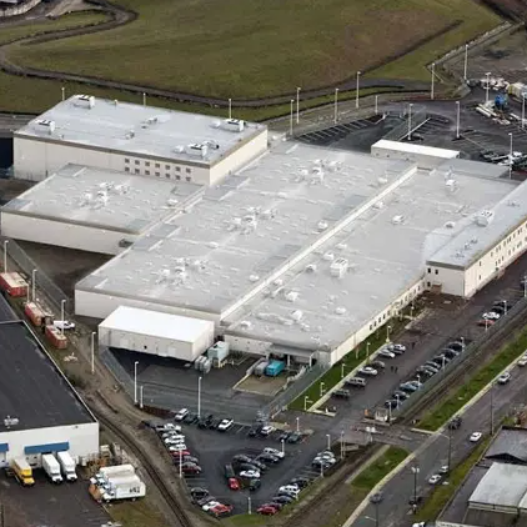
The Northwest Detention Center (NWDC), located in Tacoma, may face hefty fines for denying the Washington Department of Health (DOH) inspectors entry under Senate Bill 6286, as health and safety conditions in the facility worsen. The immigration prison holds about 1,575 people, and is one of the largest in the U.S.
La Resistancia recently reported rat feces found on food trays that were serving breakfast and lunch, with about 40 complaints being filed.
“Geo Lieutenant Colton took photos and promised reports, but GEO Lietenant McNeal dismissed the issue, claiming it was “burnt rice” even though no rice was served and many detainees got sick,” La Resistancia stated. “Many detainees also went to sick call because they were throwing up and feeling sick. However, no one was ever called back for further medical checkups.”
The DOH has authority to conduct unannounced and regular inspections of private detention facilities at any time, like the NWDC, which is owned and operated by the GEO Group. Inspections include food service and handling, nutrition, complaints, and the testing of air and water quality. When facilities are out-of-compliance with state regulations and statutes, it can impose conditions that correct issues or issue fines of up to $10,000 per violation. Fines should not exceed $1 million if a private detention facility has been previously subjected to enforcement.
SB 6286 was most recently heard by the Senate Committee on Human Services on January 28. If passed, the DOH would be able to issue fines to the facility when it prevents employees entering for inspections. Fines would be $1,000 per day for the first 30 days the DOH is denied entry, followed by $10,000 per day for another 30 days. If the DOH is denied entry to the premises after 60 days, it can issue a fine of $15,000 per day until they can access the facility.
The bill would create a federal enforcement, accountability, and community repair account in the state treasury’s office for all collected fines, which would go towards people and families who have been wrongfully detained and released by the court.
“One of the big duties of our state is the health and well-being of all residents, and part of that happens within our facilities through our Department of Health,” Sen. Tina Orwall (D- 33), primary bill sponsor, said. “The reason we’re putting this hefty fine is that it’s urgent. People’s health and their lives are at stake here, and we want to show the seriousness of this.”
Sen. Orwall said detainees deserve treatment, otherwise they are subject to both suffering and death. She said the DOH has received hundreds of complaints relating to nutrition, like undercooked food, black mold, and medical care access issues. In addition to the NWDC, Martin Hall is the only other private detention center in Washington, and this bill would apply to both.
U.S. Army veteran Muhammad Zahid Chaudhry spoke at the hearing and said he was imprisoned in the NWDC for over 124 days. Chaudhry was placed with over 116 men who were business owners and bread winners. He said he was fed potatoes and beans that were undercooked and hard, and said the mental health situation is terrible.
“In my unit, in one week alone, two fully grown men tried to commit suicide— tried to kill themselves,” Chaudhry said.
He noted how there was one mental health psychiatrist and one psychologist, with appointments available one month out. His wife, Melissa, said that financial leverage is the only thing that will make a for-profit company comply with DOH inspections.
The NWDC opened in 2004 and was renamed the Northwest ICE Processing Center in 2019. According to the GEO Group, it provides “around-the-clock access to medical care,” and that “at locations where GEO provides health care services, individuals are provided with robust access to teams of medical professionals including physicians, dentists, psychologists, and psychiatrists.”
The GEO Group and ICE had a $700 million ten-year contract that expired in September of 2025, yet it’s still running the facility, and neither have issued statements about any new agreements. The next hearing on SB 6286 is on February 3.
Like our work? We need your support. Become a donor now.

Leave a comment