By Hannah Saunders
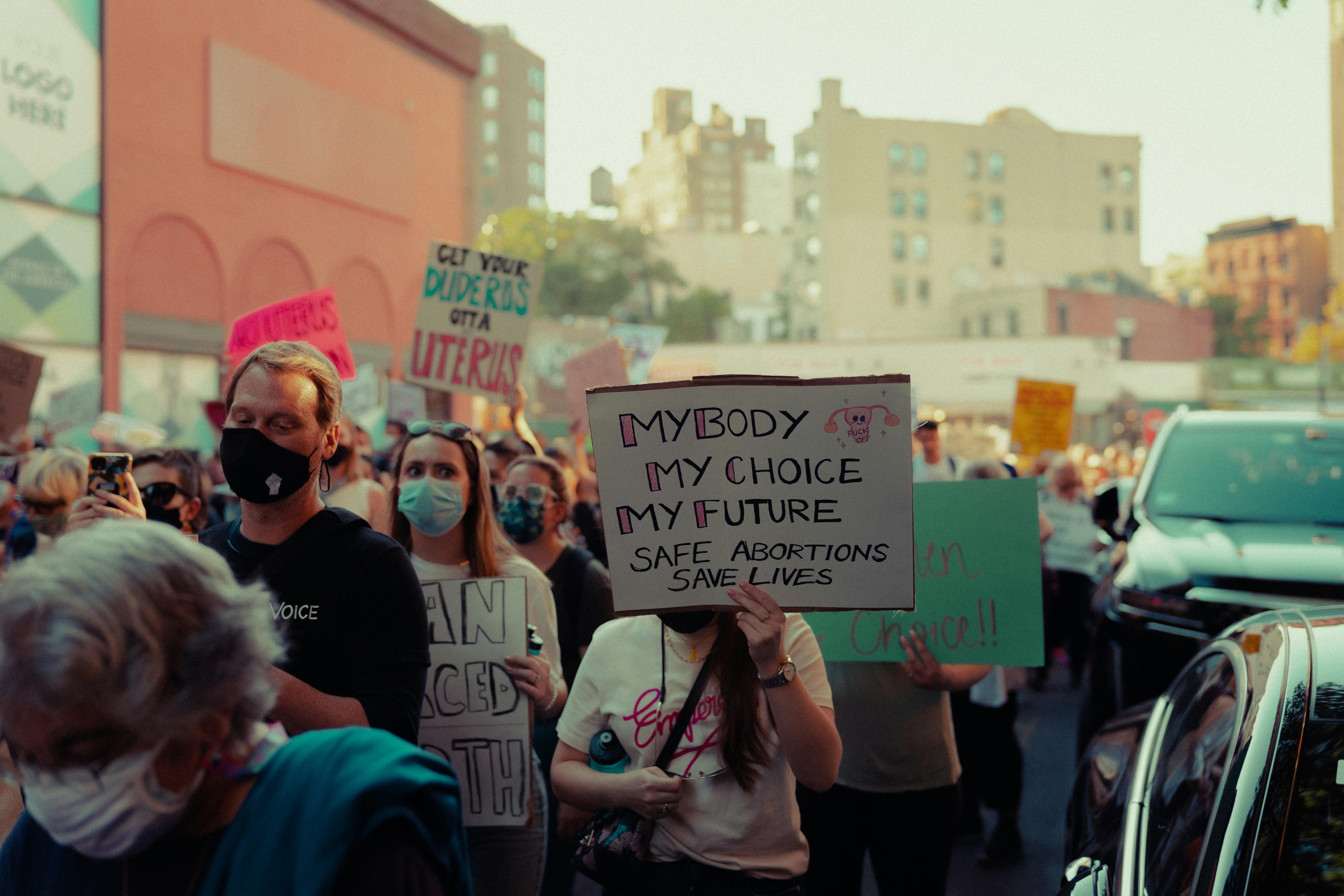
Today, the Supreme Court stayed a ruling by the U.S. Court of Appeals for the Fifth Circuit that would restrict access to mifepristone, a common medication used for abortions, via telehealth services. By staying the ruling, the safe and effective medication prescribed virtually has been temporarily restored, and came after Washington Attorney General Nick Brown, 22 states and D.C. filed a brief urging the court to do just that.
Brown’s office stated that the Fifth Circuit ruling would have forced patients to coordinate an in-person visit with their healthcare providers to receive a dose of mifepristone, which is followed by four doses of misoprostol to terminate a pregnancy that’s less than 70 days. Since the medication can safely be prescribed via telehealth appointments, the coalition emphasized in its brief how this would lead to administrative and regulatory chaos across the country. The brief also argued that the ruling would impede on states’ ability to protect access to reproductive healthcare, particularly for people in rural or medically-underserved areas.
“This ridiculous ruling cuts against science and further erodes reproductive rights nationwide, threatening access to medication abortion in states like Washington that still protect abortion rights. Decades of research has proven that mifepristone is exceptionally safe and effective,” Brown said. “The arguments against medication abortions are as unserious as they are insidious in stripping women of necessary health care services. Washingtonians will be harmed by this ruling, but it does not change Washington’s robust protections for reproductive rights, nor does it dim our resolve to fight for their preservation.”
The amicus brief stated that the in-person dispensing requirement would force patients to travel long distances or rely on other alternatives for abortions; it would also place further strain on clinics and the healthcare system. According to the Guttmacher Institute, a reproductive and sexual health focused research and policy organization, medication-assisted abortions accounted for 63% of abortions in the U.S. in 2023, which is up from 31% in 2014.
In 2023, the FDA did away with the in-person dispensing requirement for mifepristone, citing it as medically-unnecessary. This decision came after years of evidence, like during the COVID-19 pandemic, that demonstrated how mifepristone can safely be provided virtually.
“It works by stopping the supply of hormones that maintains the interior of the uterus. Without these hormones, the uterus cannot support the pregnancy and the contents of the uterus are expelled,” according to the Mayo Clinic.
Mifepristone comes in a tablet, and most pregnant people will expel the pregnancy within 2-24 hours of taking the first dose of misoprostol. Those taking these medications can expect to bleed and experience cramps for approximately two weeks, and should follow-up with their doctor within 7-14 days after taking the dose of mifepristone.
While the Supreme Court’s stay is only temporary, Brown said the Fifth Circuit ruling would negatively impact reproductive access in Washington state, where abortion is both legal and protected.
We need your help to keep reporting! Become a monthly donor now at Ko-Fi.com/ThroughtheStatic or Venmo @ Saundershannah. Thanks for your support!


Leave a comment